Celebrity influence on fashion refers to the power of public figures to shape what people wear, buy, and consider stylish through their personal choices, social media presence, and public appearances. When a celebrity steps out in a particular outfit or style, millions of fans notice, and brands see sales spike almost overnight.
This phenomenon matters more than ever in 2026 because it’s reshaping the entire fashion ecosystem, including the thrift shopping world. You’ve probably seen it happen: a celebrity wears a vintage band tee or thrifted blazer, posts it online, and suddenly thrift stores can’t keep similar items in stock. The power celebrities hold over fashion trends creates both opportunities and challenges for secondhand shoppers who want to stay stylish without breaking the bank.
Understanding how celebrity fashion influence actually works helps you navigate trends smarter. Instead of chasing every viral moment, you can learn to spot which celebrity-driven styles translate well to thrifted pieces, which trends will stick around, and how to recreate expensive looks with budget-friendly alternatives. The mechanics behind celebrity influence reveal patterns you can use to your advantage, whether you’re hunting for specific vintage finds or building a wardrobe that feels current without the designer price tag.
This article breaks down the real mechanics of celebrity fashion influence, from red carpet moments to Instagram posts. You’ll discover the different ways celebrities shape what we wear, see concrete examples of how this plays out in both high fashion and thrift culture, and walk away with practical strategies for applying these insights to your own secondhand shopping adventures.
What Celebrity Fashion Influence Really Means
Celebrity fashion influence is the power that famous people have to change what you and millions of others want to wear. When a celebrity steps out in a particular outfit, posts a photo of their look, or talks about where they shop, they’re essentially casting a vote that ripples through the entire fashion world. That ripple can turn an unknown brand into a household name, bring a forgotten style back from the dead, or, increasingly, send people flooding into their local thrift stores.
This influence shows up everywhere. Red carpet moments create instant buzz around specific designers, cuts, and colors. Paparazzi shots of celebrities running errands in casual outfits spark “get the look” articles across fashion media. Social media posts give celebrities direct access to millions of followers who watch their style choices in real time. Even offhand comments in interviews about favorite stores or shopping habits can shift consumer behavior dramatically.
- Celebrity Fashion Influence
- The ability of famous individuals to shape what people buy and wear through their own style choices and public appearances.
- Thrift Advocacy
- When celebrities actively promote secondhand shopping through their actions, purchases, and public statements about sustainable fashion.
- Vintage Styling
- The practice of wearing clothing from previous decades, often sourced from thrift stores, estate sales, or vintage boutiques, which celebrities increasingly showcase at high-profile events.
- Sustainable Fashion Champions
- Public figures who use their platform to encourage environmentally conscious shopping habits, including choosing secondhand over new fast fashion.
- Secondhand Endorsement
- Public approval or promotion of pre-owned clothing, either through wearing thrifted pieces or explicitly stating support for resale shopping.
What’s genuinely exciting is how this influence has evolved. For decades, celebrity fashion power meant pushing luxury brands and designer labels that most people couldn’t afford. Celebrities wore couture to events, and regular shoppers bought fast fashion knockoffs. But something’s shifted. Now you’ll see A-list stars wearing genuinely thrifted pieces to major award shows, posting their vintage scores on Instagram, or partnering with resale platforms. They’re not just wearing secondhand, they’re proud of it, talking about it openly, and making it aspirational rather than something to hide.
This transformation matters because it changes the entire conversation around thrifting. When celebrities normalize secondhand shopping, they strip away the stigma and replace it with genuine cool factor.
How Celebrity Influence Makes Thrifting Work
The Social Media Amplification Effect
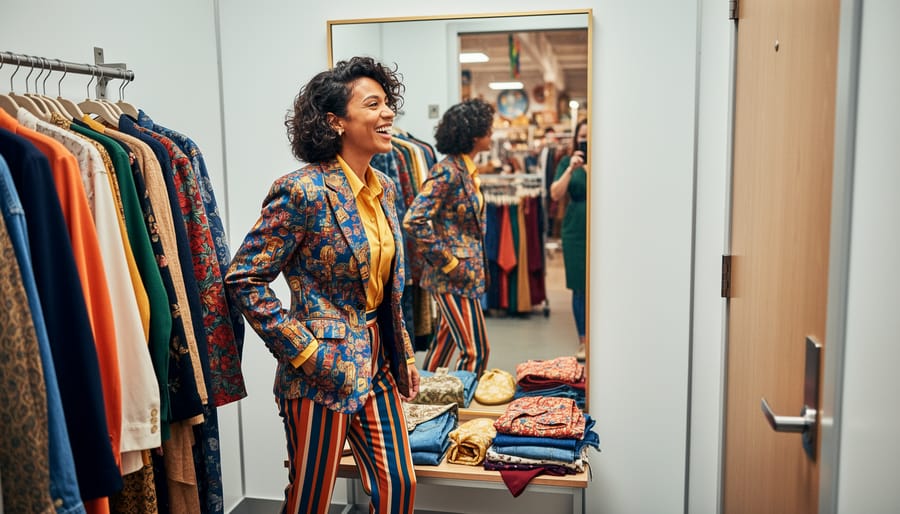
When a celebrity posts a thrift haul or vintage find, the ripple effect is instant and massive. Social media turns a single outfit post into a movement that can send thousands of shoppers to their local thrift stores within hours.
Instagram serves as the visual showcase. A celebrity tagging a thrift store in their post or using #thrifted in a red carpet photo reaches millions of followers who screenshot, save, and head out hunting for similar pieces. The platform’s shopping features now let resale platforms tag items directly, creating a seamless path from celebrity inspiration to purchase.
TikTok supercharges this effect through its algorithm. A celebrity’s thrift haul video doesn’t just reach their followers, it lands on millions of “For You” pages. The #thrifthaul hashtag has billions of views, with celebrity contributions sparking copycat content from everyday users. When stars participate in trends like “style this thrifted find three ways,” the challenge spreads rapidly, each iteration reinforcing that thrifting is both trendy and accessible.
YouTube creates deeper engagement through longer-form content. Celebrity thrift shopping vlogs take viewers on the actual hunt, demystifying the process and making it feel achievable rather than intimidating.
This multi-platform approach means celebrity thrift advocacy isn’t a fleeting moment, it’s a sustained conversation that keeps secondhand shopping firmly in the cultural spotlight.
Different Ways Celebrities Champion Thrifting
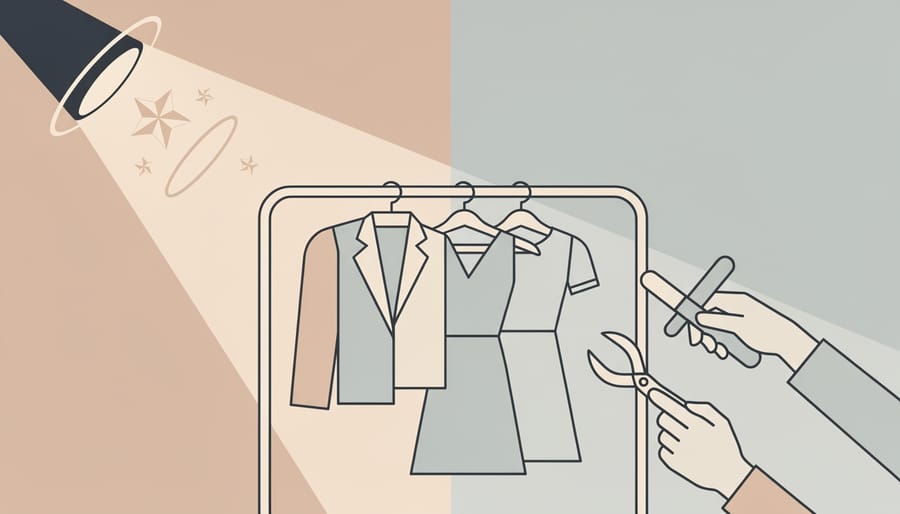
Celebrities champion thrifting in surprisingly diverse ways, and each approach resonates with different audiences and drives unique behaviors. Some stars make headlines by being photographed shopping at actual thrift stores, turning an everyday activity into a cultural moment. When Macklemore released “Thrift Shop” in 2012, he wasn’t just making music, he sparked a movement. More recently, stars like Zendaya and Timothée Chalamet have been spotted browsing vintage shops, instantly legitimizing secondhand shopping for younger generations who see these outings as aspirational rather than embarrassing.
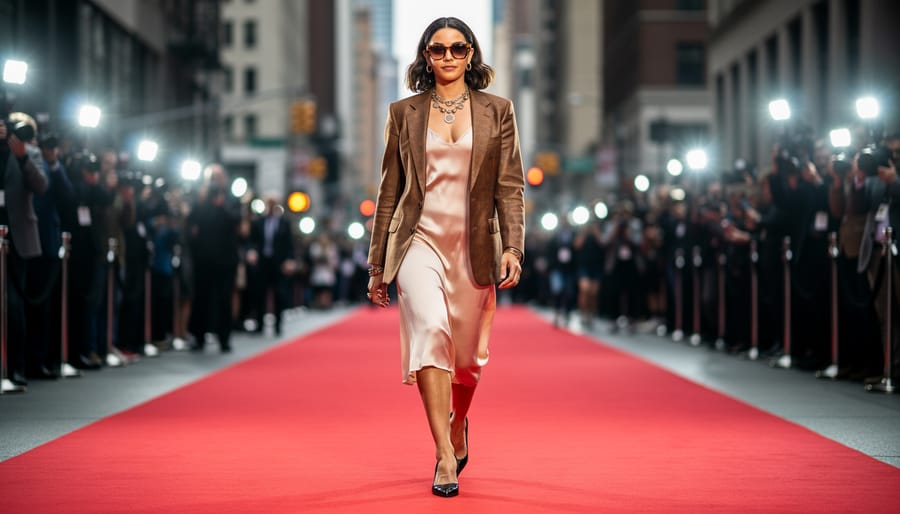
Then there’s the red carpet vintage moment, which might be the most powerful form of celebrity thrift advocacy. When a major star wears a archival piece from decades past to the Oscars or Met Gala, they’re making a statement that old can be more glamorous than new. Celebrities like Cate Blanchett have famously reworn gowns to major events, while others seek out couture pieces from the ’80s and ’90s that have more character than anything currently on runways. These moments generate massive media coverage and inspire fashion lovers to hunt for their own vintage treasures.
Social media has created an entirely new category of celebrity thrift influence. Stars now share thrift hauls, styling videos, and behind-the-scenes footage of their vintage shopping adventures directly with millions of followers. This raw, unfiltered content feels more authentic than a red carpet appearance and makes thrifting seem accessible and fun rather than exclusive.
The main categories of celebrity thrift influence include:
- Public thrift shopping trips that generate paparazzi coverage and social media buzz
- Red carpet vintage moments showcasing archival designer pieces at major events
- Social media thrift hauls with styling tips and store recommendations
- Resale platform partnerships as brand ambassadors or investors
- Sustainability advocacy campaigns highlighting environmental benefits of secondhand shopping
- DIY upcycling projects shared online, similar to how creators upcycle thrifted decor into statement pieces
Some celebrities take it further by partnering with resale platforms like Depop, ThredUp, or Vestiaire Collective, either as investors, ambassadors, or by selling their own pre-loved items. These partnerships bring credibility to resale businesses and introduce their fan bases to circular fashion models. Emma Watson, for instance, has been vocal about her commitment to sustainable fashion and has used her platform to promote secondhand shopping as a solution to fashion’s environmental crisis.
Where Celebrity Thrift Influence Shows Up in Real Life
The ripple effects of celebrity thrift endorsements show up in ways you can see and feel every time you walk into a secondhand store. These aren’t just abstract trends happening somewhere else, they’re reshaping the entire thrifting landscape right in your neighborhood.
Thrift stores have seen measurable spikes in foot traffic after a celebrity mentions shopping there or wears a vintage piece to a high-profile event. When Bella Hadid posted about finding a designer blazer at a New York vintage shop, that store saw lines around the block the next weekend. Smaller local thrift stores report similar patterns on a micro level: a celebrity wearing 90s denim or chunky cardigans suddenly makes those previously overlooked items fly off the racks.
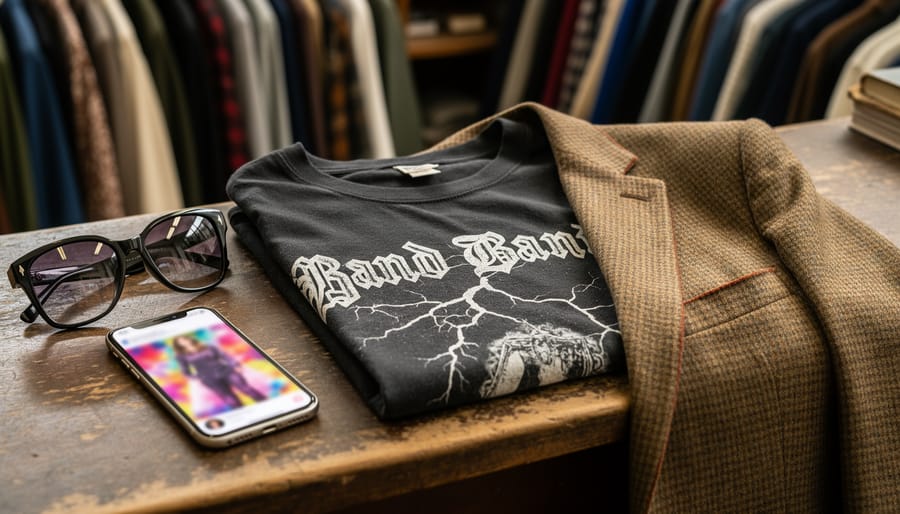
The pricing landscape has shifted noticeably in celebrity-popular categories. Vintage band tees, designer handbags, and 70s leather jackets now carry higher price tags at many thrift stores, especially in urban areas. Store owners recognize these items as high-demand thanks to celebrity styling, and they price accordingly. This isn’t necessarily bad, it reflects the genuine value and desirability these pieces now hold, but it changes the treasure-hunt dynamic for budget shoppers.
Online resale platforms like Depop, Poshmark, and ThredUp have exploded partly because celebrities normalized buying pre-owned fashion. When stars share their secondhand scores online, it removes the stigma and makes digital thrifting feel as legitimate as shopping at traditional retailers. These platforms have grown from niche marketplaces to mainstream shopping destinations, with some resellers building six-figure businesses.
Thrift flipping has become a genuine side hustle and even full-time career for many people inspired by celebrity thrift culture. Resellers scout thrift stores for on-trend pieces (often guided by what celebrities are wearing), then sell them online at a markup. This entrepreneur wave has created both opportunities and tensions within thrift communities.
Local thrift stores have gotten savvy about leveraging celebrity trends in their marketing. They create Instagram posts highlighting items similar to celebrity looks, use trending hashtags, and organize special vintage sections featuring styles currently popular with famous advocates. Smart stores recognize that celebrity influence brings new customers through their doors, and they’re meeting that interest with better curation and presentation.
Why Celebrities Are Embracing Secondhand Shopping
Celebrities aren’t just hopping on the thrifting bandwagon for good PR, many genuinely care about where their clothes come from and where they end up. Environmental consciousness tops the list of motivations. Stars like Emma Watson and Olivia Wilde have spoken openly about fashion’s massive carbon footprint and textile waste crisis. By choosing secondhand pieces, they’re making a statement that luxury doesn’t have to mean environmental destruction.
Fast fashion’s darker side has pushed many celebrities toward thrift stores and vintage shops. They’re using their platforms to challenge the idea that you need constant newness to stay stylish. When someone like Billie Eilish wears vintage to the Met Gala, she’s rejecting the pressure to always wear fresh-off-the-runway pieces that might only be worn once before heading to a landfill.
The hunt itself appeals to many celebrity thrifters. Finding a one-of-a-kind vintage Dior coat or a perfectly worn-in band tee gives them something money can’t always buy: genuine uniqueness. In a world where everyone has access to the same designer drops, vintage pieces help celebrities stand out authentically.
Budget transparency has become surprisingly relatable too. When celebrities share that they scored their outfit for twenty dollars instead of two thousand, it humanizes them and makes fashion feel more accessible. Some have even encouraged fans to donate to Q Thrifts and similar organizations, creating a cycle where everyone benefits.
This shift reflects broader cultural changes. Conscious consumption isn’t niche anymore, it’s increasingly mainstream, and celebrities are both following and accelerating that movement.
How You Can Use Celebrity Inspiration for Your Own Thrift Adventures
You don’t need a celebrity wardrobe budget to capture celebrity-inspired style. Start by curating your inspiration feed, follow stars who genuinely thrift and share their finds, not just those who pose with vintage pieces for photo ops. Look for celebrities who post haul videos, tag actual thrift stores, or talk about their secondhand shopping strategies. These are your real guides, not the ones whose “thrift finds” come with designer price tags.
When you spot a celebrity look you love, resist the urge to hunt for an exact replica. Instead, decode what makes the outfit work: the silhouette, the color story, the proportion play. A blazer-and-jeans combo inspired by a red carpet moment doesn’t require the same brands, it needs the right fit and vibe. This approach to ensemble fashion means you’re learning to see clothes like a stylist, not just copying what’s on the hanger.
Here’s your practical game plan for celebrity-inspired thrifting:
- Follow thrift-loving celebrities for genuine inspiration, not performative sustainability posts
- Search for similar silhouettes and shapes rather than hunting for exact brand replicas
- Focus on timeless pieces that celebrities wear repeatedly, signaling true versatility
- Use celebrity trends as jumping-off points, not rigid rules to follow
- Remember that proper fit and your personal style matter infinitely more than perfect duplication
Whether you shop online thrift platforms or dig through racks in person, keep a flexible wishlist. Notice when multiple celebrities wear wide-leg trousers or cropped cardigans, that signals a trend worth exploring, and thrift stores will have versions at every price point. Check our Goodwill Outlet guide for tips on finding quality pieces when you’re ready to level up your hunt.
The sweet spot is drawing inspiration without losing yourself. If a celebrity’s vintage band tee speaks to you but graphic tees aren’t your thing, that’s fine. Thrifting works best when you’re building a wardrobe that reflects your life, not cosplaying someone else’s Instagram feed.
Common Questions About Celebrity Fashion Influence and Thrifting
Curiosity about celebrity thrifting is understandable when you’re scrolling through Instagram and seeing millionaires rave about their $12 vintage finds. These questions pop up constantly in thrift communities, and they deserve honest answers.
Do celebrities actually thrift or just say they do for PR?
Many celebrities genuinely thrift, though the degree varies. Stars like Macklemore, Zendaya, and Emma Watson have documented their secondhand shopping over years, not just during promotional periods. However, some celebrity “thrift” claims involve high-end vintage boutiques or stylist-sourced pieces rather than actual thrift store visits.
Has celebrity influence made thrifting more expensive?
In certain categories, yes. Vintage band tees, designer labels, and 90s sportswear have seen significant price increases at both thrift stores and resale platforms, partly due to celebrity visibility. However, most everyday thrift items remain affordable, and increased donations from trend-conscious shoppers have actually expanded inventory in many stores.
Can I really recreate celebrity looks at my local thrift store?
Absolutely, though you’re recreating the vibe rather than exact replicas. Focus on silhouettes, color palettes, and styling tricks rather than hunting for identical pieces. A celebrity’s oversized blazer-and-jeans combo or vintage band tee aesthetic is completely achievable with patience and creativity.
Is celebrity thrift influence helping or hurting local thrift stores?
It’s nuanced. Increased foot traffic and donations benefit stores, and visibility helps normalize secondhand shopping. However, resellers clearing shelves to flip items online can reduce selection for local shoppers, and some stores have raised prices across the board rather than strategically pricing high-demand items.
The sustainability angle deserves its own mention. When celebrities talk about thrifting for environmental reasons, skeptics rightfully point out private jets and massive closets. But even imperfect advocacy moves the needle. If a celebrity’s thrift post inspires a thousand fans to choose secondhand over fast fashion for even one purchase, that’s a tangible impact regardless of the celebrity’s overall carbon footprint.
The “which celebrities are most influential” question shifts constantly. Right now, Gen Z and younger Millennial stars with authentic vintage aesthetics and active social media presences drive the most thrifting behavior. Look for celebrities who show the actual shopping process, share styling tips, and engage with thrift content consistently rather than those who mention it once during an interview circuit.
What matters most is separating celebrity inspiration from celebrity worship. Their influence opened doors and sparked conversations, but your thrifting journey doesn’t need their validation. The bins don’t care if Harry Styles just wore vintage Levi’s, they’re still sitting there waiting for you to discover them.
Celebrity influence has undeniably changed the thrifting game. What was once seen as a frugal necessity or a quirky hobby has become a legitimate fashion statement, thanks in large part to famous faces championing secondhand style. That visibility matters. It’s brought thrifting into conversations it never reached before and introduced countless people to the joy of the hunt.
But here’s the beautiful truth: celebrities didn’t create the magic of thrifting. They just helped more people see what was already there. The real power of secondhand shopping has always been in your hands. It’s the thrill of finding that perfect vintage jacket no one else has. It’s keeping clothes out of landfills and money in your pocket. It’s the creativity of mixing eras and styles in ways department stores never imagined.
Whether you’re inspired by a celebrity’s thrift haul or you’ve been hitting up estate sales since before it was trendy, your thrifting journey is uniquely yours. The stars might shine a spotlight on secondhand fashion, but you’re the one who decides what treasures to bring home and how to wear them. Every thrifted piece has a story, and the best part? You get to write the next chapter. So grab your reusable shopping bag and get out there. The thrift stores are waiting, and they don’t care if you’re famous or not.