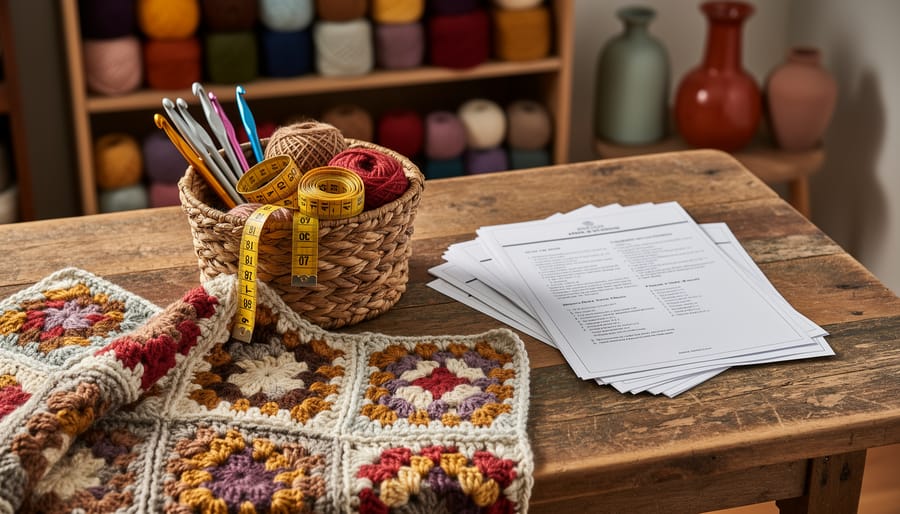
Accessing and downloading free crochet patterns from Yarnspirations is refreshingly straightforward: visit the Yarnspirations website, browse their library of over 10,000 free patterns for all skill levels, select your project, and download the instructions directly to your device. No subscription fees, no hidden costs, just instant access to patterns from trusted yarn brands like Red Heart, Bernat, Caron, Patons, and Coats & Clark.
If you’re anything like me, you’ve probably scrolled past gorgeous crochet projects on social media and thought, “I wish I could make that without spending a fortune.” That’s exactly why Yarnspirations has become my go-to resource. The platform offers everything from cozy blankets and sweaters to hats, scarves, and adorable baby toys, all with clear instructions designed for beginners through advanced crocheters.
What makes this resource especially valuable for budget-conscious crafters is how perfectly it pairs with secondhand supplies. I’ve discovered that combining free Yarnspirations patterns with yarn finds from thrift stores creates an unbeatable combination for sustainable, affordable projects. You can even use these patterns to create beautiful thrifted home decor accents without the designer price tag.
The best part? These aren’t basic starter patterns thrown together as an afterthought. Yarnspirations maintains the same quality standards across their free collection that you’d expect from premium pattern purchases, giving you professional results without the professional costs.
What You’ll Need to Get Started
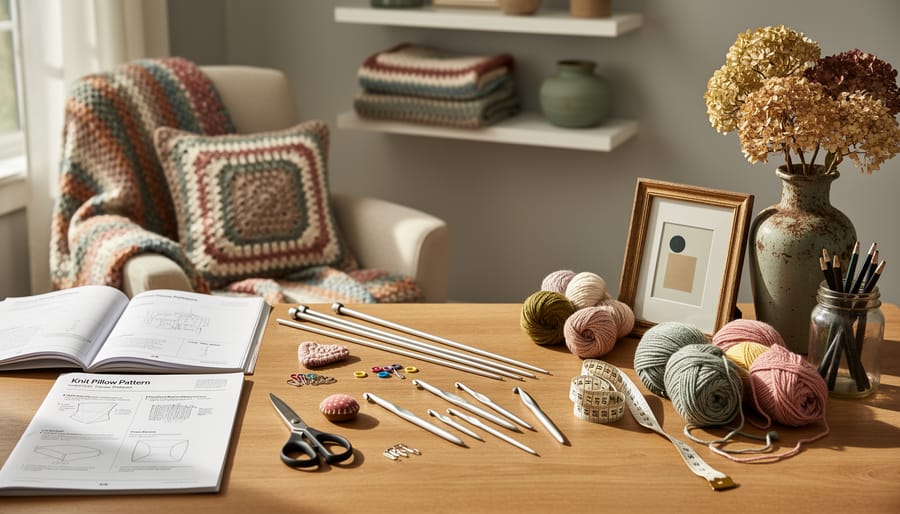
Getting started with Yarnspirations’ free crochet patterns doesn’t require much, just a few essentials and a willingness to hunt for budget-friendly materials. The beauty of this approach is that you probably already own most of what you need, and the rest can be found secondhand for pennies.
Here’s what you’ll want to have on hand:
- Internet access and a device (phone, tablet, or computer) to browse and download patterns
- Basic crochet hooks in common sizes, check thrift stores for gently used sets
- Yarn in weights that match your chosen pattern (thrift stores often have unopened skeins or vintage yarn)
- Scissors and a yarn needle for finishing work
- Optional: secondhand cushions for pillow covers, vintage frames for wall art, fabric scraps for backing, or decorative buttons
The thrift store component is where this gets exciting. While you’re practicing your furniture thrifting skills, keep an eye out for items that pair beautifully with crochet projects. I’ve found gorgeous vintage buttons for a dollar, plain cushions begging for handmade covers, and wooden frames that turned simple granny squares into statement art. Last month, I scored three balls of unwrapped Bernat yarn at my local thrift shop for two bucks total, they became a throw pillow that looks like it came from a boutique.
The best part? You can start with whatever you have and build your supplies gradually, all while keeping your budget intact.
Understanding the Yarnspirations Pattern Library
Yarnspirations has built one of the largest free pattern libraries online, with over 10,000 crochet and knitting patterns you can download at no cost. These patterns come from trusted yarn brands including Red Heart, Bernat, Caron, Patons, and Coats & Clark, so you’re getting professional designs that have been tested and refined.
What makes this library especially valuable is the range of skill levels covered. Whether you’ve never picked up a crochet hook or you’re ready to tackle intricate lacework, you’ll find patterns marked for your ability level. The collection includes beginner patterns perfect for learning basic stitches, intermediate projects that introduce new techniques, and advanced designs for seasoned crocheters looking for a challenge.
The variety of projects is equally impressive. You’ll find patterns for blankets and throws, home decor items like pillow covers and wall hangings, accessories such as hats and scarves, and even baby toys. This makes it easy to find patterns that work with whatever thrifted materials you’ve scored, whether that’s vintage yarn that needs a purpose or a secondhand cushion waiting for a handmade cover.
Each pattern comes with easy-to-follow instructions that walk you through the project step by step. They’re designed to be clear and accessible, which takes some of the guesswork out of trying new techniques or tackling unfamiliar projects.
Step-by-Step: How to Find and Download Free Crochet Patterns
Navigate to the Yarnspirations Free Patterns Page
Getting to the Yarnspirations pattern library is straightforward. Open your web browser and type “Yarnspirations free patterns” into your search bar, or head directly to and look for the free patterns section in the main navigation menu. You’ll land on a page showcasing their complete collection of over 10,000 free patterns.
The site’s layout is clean and easy to navigate. Once you’re on the patterns page, you’ll immediately see featured projects and categories to explore. Everything’s in one place, from blankets and sweaters to hats, scarves, and baby toys.
If you’re in Canada, you can access the same extensive library at . The Canadian site mirrors the main collection, offering identical access to all those Red Heart, Bernat, Caron, Patons, and Coats & Clark patterns. Either site works perfectly, so use whichever feels more familiar or loads faster on your device.
I like to bookmark the patterns page for quick reference. That way, when inspiration strikes at a thrift store (hello, vintage yarn haul), I can pull up project ideas on my phone right there in the aisle.
Browse and Filter the Crochet Pattern Collection
Once you’re on the Yarnspirations pattern library page, you’ll see a massive collection that can feel overwhelming at first, but the search filters make it surprisingly easy to narrow down.
Start by choosing your project type. The library includes everything from blankets and scarves to hats, baby toys, and home decor items. If you’re planning to pair a pattern with something you found thrifting, think about what you already have. Got a vintage cushion that needs a refresh? Filter for “home decor” or “pillows.” Found gorgeous secondhand yarn in your local charity shop? Search “blankets” to find patterns that’ll showcase it beautifully.
The skill level filter is your best friend, especially if you’re rusty or just starting out. Yarnspirations clearly marks patterns from beginner to advanced, so you won’t accidentally dive into a complex granny square if you’re still mastering chain stitches. For thrifted projects, I actually recommend starting with beginner patterns, they work up faster and let you experiment with mixing secondhand materials without committing days to one piece.
You can also browse by brand (Red Heart, Bernat, Caron, Patons, or Coats & Clark), which is handy if you’ve scored vintage yarn and want to match the weight or style. A quick tip: when choosing patterns for thrifted items, look for simple, classic designs. They’re more forgiving if your secondhand yarn is slightly different than what the pattern suggests, and they complement rather than compete with the character of vintage finds.
Select and Download Your Pattern Instructions
Once you’ve found a pattern you love, click on it to open the full project page. You’ll see a preview image, materials list, and details about difficulty level. Look for the “Download” or “Get Pattern” button, it’s usually prominently displayed near the top of the page.
Click that button to start downloading your pattern instructions. The pattern will save to your device in a standard format that’s easy to open and read. While I can’t confirm the exact file type, the process is quick and doesn’t require special software.
Here’s a smart tip I learned after losing track of patterns: create a dedicated “Crochet Patterns” folder on your device before you start downloading. Name each file something descriptive like “Vintage-Style-Throw-Blanket” instead of keeping generic names. This makes it easy to find patterns later when you’re ready to start a project or want to match a pattern with that gorgeous skein of thrifted yarn you just scored.
You can also print patterns if you prefer working from paper, which is especially handy when you’re crocheting away from your computer or tablet.
Tips for Success and Common Pitfalls to Avoid
Before you cast on your first stitch, take a moment to set yourself up for success. Read through the entire pattern instructions at least once before you start, this helps you spot any special techniques or materials you’ll need and prevents frustrating surprises halfway through. Check that your yarn weight matches what the pattern calls for, because substituting a chunky yarn for fingering weight won’t just change the look, it’ll throw off the entire sizing and drape of your finished piece.
Your physical setup matters more than you might think. Work in a space with good lighting to avoid eye strain, and position yourself so you’re not hunched over your project. I learned this the hard way after spending an entire weekend crocheting a throw blanket on my couch and ending up with a stiff neck that lasted days. Take breaks every hour to stretch your hands, wrists, and shoulders.
Don’t let enthusiasm push you into patterns beyond your current skill level. Yarnspirations clearly marks patterns from beginner to advanced for a reason. Starting with a complex lace pattern when you’ve only mastered basic stitches sets you up for disappointment and wasted materials. Instead, choose beginner-friendly patterns and gradually work your way up as your confidence grows.
Understanding why gauge swatches matter is especially important when you’re combining free patterns with thrifted finds, you want that crocheted cover to actually fit your secondhand pillow. These simple precautions save time and materials while ensuring your finished projects look professional enough to become permanent fixtures in your home, just like the pieces in our other decorating tips.
Creative Ways to Combine Thrift Store Finds with Yarnspirations Patterns
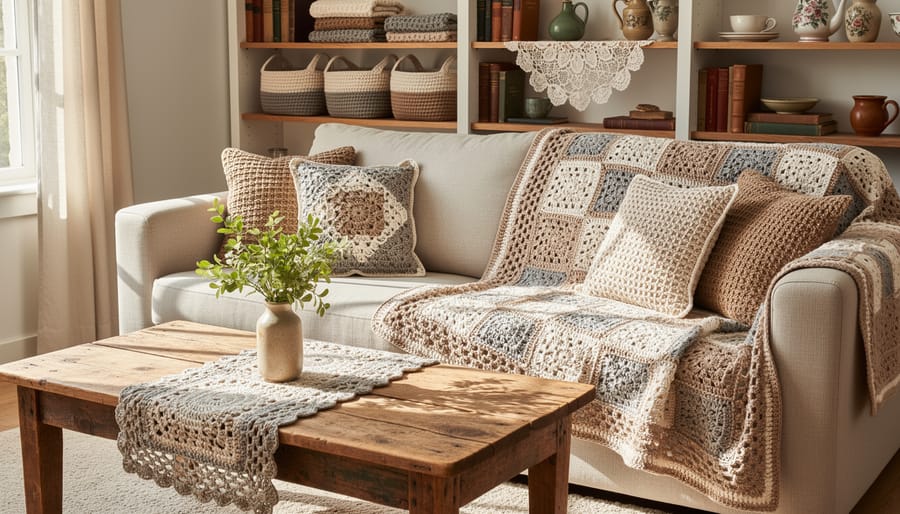
The magic happens when you pair Yarnspirations’ free patterns with the unexpected treasures hiding in thrift store bins. I stumbled onto this combination last spring when I found a stack of vintage linen pillowcases at Goodwill for two dollars. I grabbed a simple granny square pattern from the Yarnspirations library, crocheted a border using yarn from my stash, and suddenly those plain linens became statement cushion covers that people still compliment six months later.
Here are some of my favorite ways to merge free crochet patterns with secondhand scores:
- Crochet pillow covers or edging for thrifted cushions and throw pillows found at estate sales
- Frame crocheted doilies or motifs in secondhand picture frames to create textured wall galleries
- Use vintage yarn hauls from estate sales (often sold in bags for a few dollars) with beginner-level patterns
- Back crochet blankets with thrifted curtain panels or fabric remnants for added warmth and a finished look
- Embellish crochet projects with vintage buttons, brooches, or trim collected from thrift stores
- Transform secondhand lampshades with crochet covers using patterns designed for home decor
The vintage button trick works especially well on baby blankets and decorative baskets. Last month, I raided a jar of mixed buttons at a church sale (fifty cents for the whole container) and stitched them onto a simple crochet basket pattern as decorative accents. The result looked intentionally eclectic rather than budget-conscious.
Thrifted frames deserve special mention because they’re wildly underpriced and perfect for showcasing smaller crochet pieces. Look for ornate wooden frames or chunky ceramic ones. A crocheted mandala mounted behind glass becomes instant DIY quote art vibes without the quotes, and grouping three mismatched frames with coordinating crochet colors creates a cohesive gallery wall. I’ve even stretched crochet lace over the glass of a $3 mirror for a bohemian bathroom update that gets more use than it has any right to.
Making Sure Your Project Turns Out Right
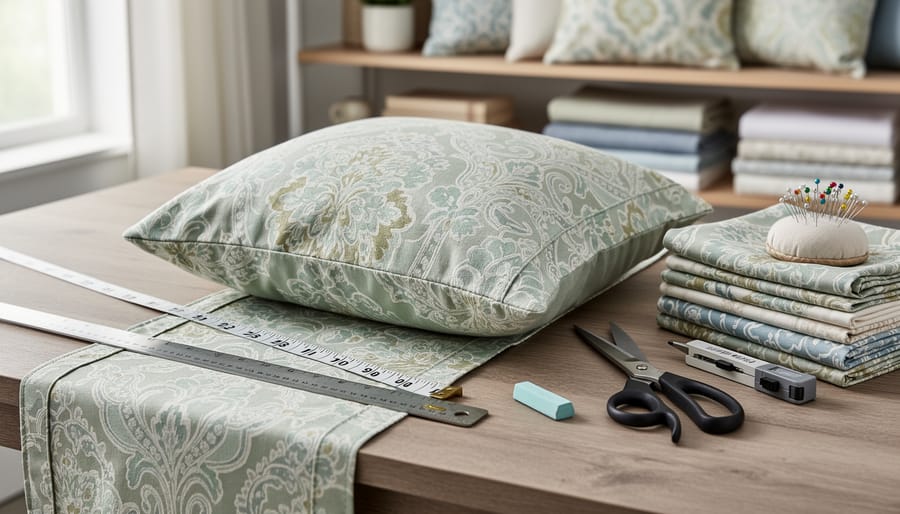
Nothing beats the satisfaction of finishing a crochet project, except realizing it’s actually right. Checking your work as you go saves you from frogging (unraveling) entire sections later. Start by counting your stitches at the end of each row or round. Yarnspirations patterns include stitch counts in the instructions, so pause every few rows to verify you’re on track. If you’re off by even a couple stitches, it compounds quickly and can throw off the entire piece.
Grab a tape measure and check your dimensions regularly, especially for home decor items that need to fit specific spaces. A pillow cover that’s supposed to be 16 inches square won’t look right at 14 inches. Compare your work-in-progress measurements to the pattern’s finished dimensions, and if you’re way off, your gauge might be the culprit, consult the pattern again to double-check your hook size and tension.
Here’s a quick verification routine to use throughout your project:
- Count stitches at the end of every row or round and compare to the pattern
- Measure width and length every few inches of progress
- Check that stitch patterns (like shells or clusters) align correctly
- Verify color changes happen at the right rows if using multiple yarns
- Confirm you’re following increases and decreases as written
Caught a mistake? Don’t panic. For minor errors a row or two back, carefully unravel to that point and rework. If it’s a single missed stitch that won’t affect the structure, you can sometimes fix it with a crochet hook without undoing everything.
Once you’ve finished the last stitch, your project isn’t quite ready for display yet. Blocking transforms crocheted pieces, pin your work to foam boards, mist it with water, and let it dry to even out stitches and achieve the proper dimensions. This step is crucial for blankets and wall hangings. After blocking, weave in all loose ends with a yarn needle, then integrate your finished piece into your thrifted decor setup. Slip that pillow cover onto your secondhand cushion, hang your framed crochet art, or drape your new blanket over that vintage armchair you scored last month.
Frequently Asked Questions
Do I need to create an account to download Yarnspirations patterns?
No account is required. You can browse the library of over 10,000 free patterns and download the easy instructions directly without signing up or providing any personal information.
Can I use different yarn than what the pattern suggests?
Yes, but you’ll want to match the yarn weight to get similar results. The pattern will specify weight and gauge, if you substitute with thrifted yarn, check these details first and make a test swatch to ensure your finished piece turns out the right size.
Are there patterns suitable for absolute beginners?
Absolutely. The pattern library includes designs for all skill levels, from beginner to advanced, so you can start with simple projects like dishcloths or scarves and work your way up to more complex blankets and home decor items.
Can I sell items I make from these free patterns?
This depends on the specific pattern’s copyright terms. Many designers allow finished items to be sold, but you cannot reproduce or sell the pattern instructions themselves, always check the individual pattern’s usage terms before selling your creations.
Beyond these common questions, you might wonder about language options. While the exact languages available aren’t confirmed, Yarnspirations operates both US and Canadian sites, which suggests some bilingual support. If you’re working with vintage yarn from thrift stores and need help matching it to a pattern, look for the yarn weight information on the label, even older skeins usually have this marked. Don’t stress if your thrifted materials aren’t an exact match. Part of the charm of combining secondhand finds with free patterns is the unique character each project takes on. A pattern might call for a specific brand, but that Red Heart substitute you found at a yard sale for fifty cents will work just fine if the weight and gauge line up.
You’ve got everything you need now: over 10,000 free patterns at your fingertips, a world of thrifted treasures waiting to be transformed, and the creative freedom to make something uniquely yours. Whether you’re stitching a cozy blanket to drape over a secondhand armchair or crocheting decorative pillow covers for vintage cushions, you’re not just crafting, you’re making sustainable, beautiful choices that are kind to your wallet and the planet.
Start small if you’re new to this. Pick a beginner pattern from the Yarnspirations library, grab some yarn from your local thrift store, and see where it takes you. The combination of free instructions and secondhand materials means you can experiment without pressure, try new techniques without risk, and create home decor that tells a story.
Your next project is out there, probably sitting on a shelf at a thrift store right now. Maybe it’s a basket that needs a crocheted liner, a frame waiting for textile art, or a bag of vintage yarn someone donated. Browse the pattern library, wander the aisles of your favorite secondhand shop, and let the possibilities spark your imagination. The creative journey starts when you download that first pattern and pick up your hook. Happy crocheting!