
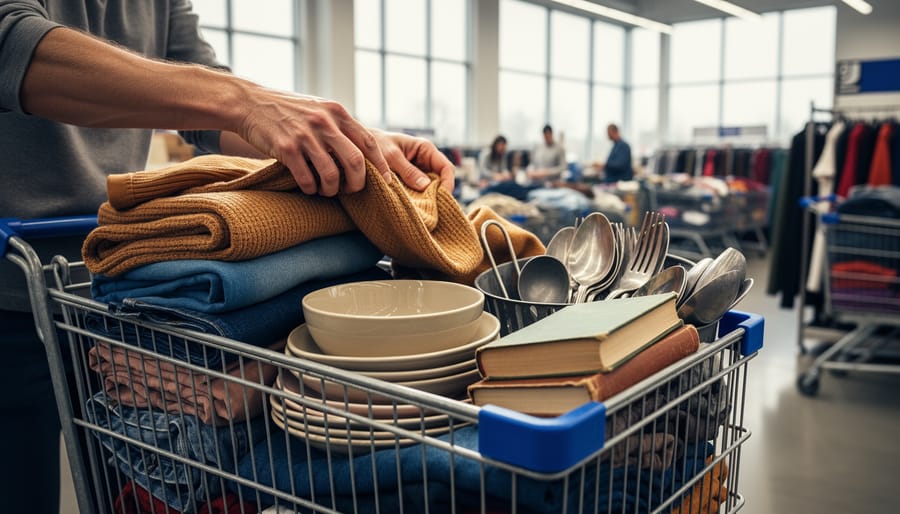
Shopping at a Goodwill outlet, often called “the bins“, means digging through large rolling carts of unsorted merchandise and paying by the pound instead of per item. You’ll find clothing typically priced around $1.69 per pound, hard goods like kitchenware and decor for $0.79 per pound, and books often sold separately by the piece. The experience feels nothing like a regular thrift store. It’s faster-paced, more physical, and requires a totally different strategy, but the rewards are incredible if you know what you’re doing.
These outlets serve as the final stop for items that didn’t sell at regular Goodwill stores. Fresh bins rotate onto the floor throughout the day, and shoppers swarm them the moment they’re wheeled out. That controlled chaos intimidates a lot of first-timers, and honestly, it should prepare you a bit. But once you understand the rhythm of bin rotations, learn what protective gear to bring, and develop an eye for quality buried under piles of fabric, you’ll wonder why you ever paid full thrift store prices.
The outlet shopping experience rewards preparation. You can’t casually browse like you would at a traditional store. You need a game plan, the right tools, and realistic expectations about what you’ll encounter. This guide walks you through everything from timing your visit and navigating the unwritten rules to spotting valuable finds and staying safe in the crowd.
What You’ll Need for a Successful Outlet Trip
Walking into a Goodwill Outlet for the first time feels like stepping onto a different planet compared to regular thrift stores. The chaotic bins, the treasure-hunt vibe, and the sheer volume of stuff demand more preparation than a typical shopping trip. Having the right gear transforms the experience from overwhelming to exhilarating.
Here’s what belongs in your outlet shopping kit:
- Reusable shopping bags or a cart: You’ll accumulate items quickly, and outlets rarely provide bags or baskets
- Hand sanitizer and disinfecting wipes: Bins contain unwashed items handled by dozens of shoppers, so cleaning your hands frequently is essential
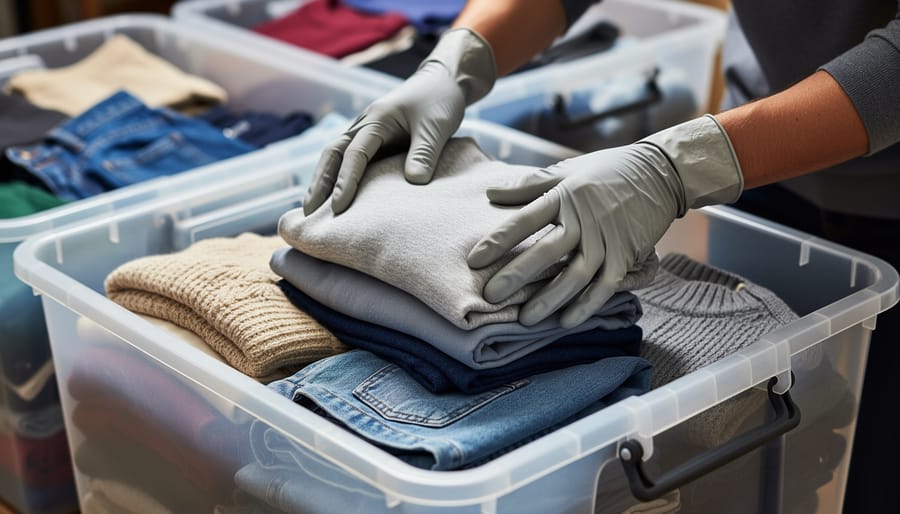
- Disposable or washable gloves: Protects your hands from grime and makes digging through bins more comfortable
- Water bottle: Outlet shopping is physical work, and many locations lack water fountains or nearby vending machines
- Cash and card: While most outlets accept cards, some still prefer cash, and having both ensures you’re covered
- Smartphone with resale apps: Quickly checking if that designer handbag or vintage game console is worth the weight charge saves money
- Comfortable, closed-toe shoes: You’ll be standing for hours, often in crowded conditions where toes get stepped on
- Layers you can shed: Outlets are often warehouse spaces with inconsistent temperature control
The gloves deserve special mention. Seasoned outlet shoppers swear by them because bins contain everything from dusty books to items with mystery stains. Latex-free nitrile gloves work great and cost pennies per pair. Some regulars prefer cotton gardening gloves for better grip when handling heavier housewares.
Your smartphone becomes invaluable beyond price checks. Use it to photograph items you’re considering, research unfamiliar brands, or measure dimensions if you’re shopping for specific furniture or décor needs. A small measuring tape tucked in your pocket helps too, especially for clothing or home goods.
Pack everything in a small backpack or crossbody bag that keeps your hands free. The bins require both hands for efficient digging, and you need to keep your valuables secure in the crowded environment. Trust me, fumbling for your phone while trying to hold three promising sweaters gets old fast.
Important Safety and Sanitation Tips
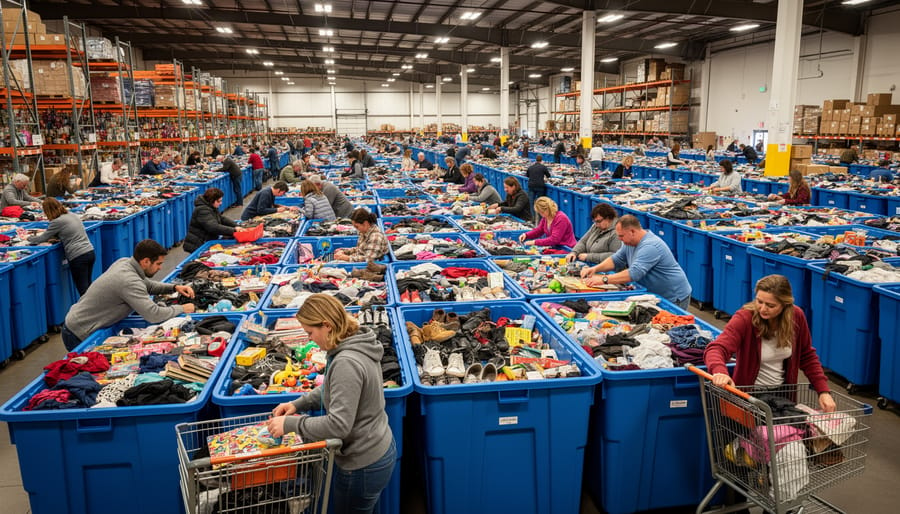
Goodwill outlets can feel chaotic, especially during bin rotations when shoppers crowd around fresh merchandise. Knowing a few safety basics will help you protect yourself while you hunt for bargains.
Start with hygiene because outlet bins contain unwashed, donated items that dozens of hands have touched. Bring disposable gloves or hand sanitizer and use them frequently, particularly before touching your face or eating snacks. Many shoppers wear gloves the entire time they’re digging through bins. Don’t put clothing directly against your skin to check fit, hold it up or drape it over your clothes instead. Assume everything needs a thorough wash before use, and inspect items closely for stains, odors, or signs of pest damage like tiny holes or mysterious residue.
Physical safety matters too. Bins are heavy and items get buried, so watch for sharp objects like broken glass, pins, or exposed hardware as you dig. I once found a beautiful ceramic bowl only to discover a chip with a razor-sharp edge hidden underneath. Lift carefully to avoid straining your back, and wear closed-toe shoes since things occasionally fall or get dropped on the floor.
Keep your personal belongings secure. The crowded, fast-paced environment attracts opportunistic thieves, so wear a crossbody bag you can keep zipped and in front of you rather than setting a purse in your cart. Leave valuables at home or locked in your car. Before heading to checkout, do a final quality check on each item, look for working zippers, intact seams, and stable furniture joints. Catching damage now saves disappointment later.
Step-by-Step: Your First Goodwill Outlet Shopping Trip
Before You Go: Timing and Research
Timing can make or break your outlet experience. Most Goodwill Outlets rotate fresh bins onto the floor throughout the day, typically every 30 to 90 minutes, depending on the location. These rotation times are when you’ll find the best selection, so calling your local outlet beforehand to ask about their schedule is smart. Some stores post rotation times on social media or their website, while others keep it loose and just announce when new bins hit the floor.
Weekday mornings, especially Tuesday through Thursday, tend to be less chaotic than weekends. You’ll have more room to dig and won’t be fighting crowds for prime bin positions. Weekends draw bigger crowds but often bring better inventory since donation centers process more items from weekend drop-offs. If you’re a beginner, start on a quieter weekday to learn the ropes without the pressure.
Monday mornings can be hit-or-miss, sometimes picked over from weekend shoppers, sometimes restocked with fresh donations. Friday afternoons and Saturdays are the busiest times, with serious resellers and weekend warriors all competing for the same goods.
Before your first visit, check if your outlet has a Facebook page or Instagram account. Many post updates about special bin days, holiday hours, or unexpected schedule changes. A quick phone call confirming they’re open and asking about their first bin rotation of the day takes two minutes but saves a wasted trip. Some regulars even befriend staff members who’ll share insider tips about when the good stuff arrives.
Navigating the Bins
Standing at the edge of a freshly rotated bin can feel overwhelming at first, but the key is to develop a systematic scanning approach rather than diving in randomly. I learned this the hard way after spending two hours at my first outlet visit and coming home with nothing but exhausted arms.
Start by doing a quick visual sweep of the entire bin before touching anything. Look for pops of color, interesting textures, or recognizable brand labels that catch your eye. Then work methodically from one end to the other, using both hands to shift items aside as you go. Don’t pull everything out, just lift and scan, moving layers like you’re reading a book.
For clothing, focus on fabrics first. Quality materials like wool, silk, linen, and thick cotton feel different even through the chaos. Once you spot something promising, do a lightning-fast check for major flaws, holes, or stains before setting it in your personal pile. I’ve built entire outfits of ensemble fashion this way by grabbing coordinating pieces as I find them.
If housewares are your target, listen for the clink of glass or ceramics and feel for heavier items buried underneath. Crafters should watch for fabric bundles, yarn, frames, and craft supplies that others might overlook.
Stake your spot by placing your bag or a small pile at the bin’s edge, but stay aware of the unspoken outlet etiquette, don’t block entire sections or hover aggressively. The best finds often appear in the first five minutes after rotation, so position yourself strategically and be ready when those bins roll out.
Making Smart Selections
Hold each item up to the light and inspect seams, hems, and fabric for holes or stains. Run your fingers along zippers to check they glide smoothly. For clothing, look inside necklines for brand tags, names like Patagonia, Lululemon, and J.Crew signal resale value, while quality fabrics like wool, linen, and silk often outlast synthetics regardless of label.
Flip dishes and glassware over to check for chips on the bottom rim. Examine electronics for frayed cords or missing parts, though most outlets sell them as-is. Books with tight spines and clean pages are keepers; water damage and mildew smell mean you should pass.
Think creatively about potential. That outdated frame could become DIY quote wall art. Mismatched vintage plates make fantastic home decor finds when displayed on walls. Scratched furniture is perfect if you’re planning to sand and repaint.
Set items aside in your cart, but don’t commit immediately. Circle back after you’ve scanned more bins, you’ll often find better versions of the same thing. Be ruthless: if it needs significant repair work you won’t actually do, leave it. The best outlet shoppers grab items with clear purpose, not just because they’re cheap.
Calculate the per-pound cost mentally. A heavy cast-iron skillet at $1.49/lb might cost $6, which beats retail by miles. That $3 bag of craft supplies could fuel a dozen projects.
Weighing, Paying, and Wrapping Up
Once you’ve gathered your treasures, head to the checkout area with your bins or bags. Staff will weigh your items by category, clothing typically goes in one pile, housewares in another, and books or media separately. Prices vary by location, but expect to pay around $1.69 to $2.49 per pound for clothing, $0.79 to $1.49 per pound for hardgoods, and $0.49 to $0.99 per pound for books as of 2026. Some outlets offer color tag sales on certain days, giving you additional discounts.
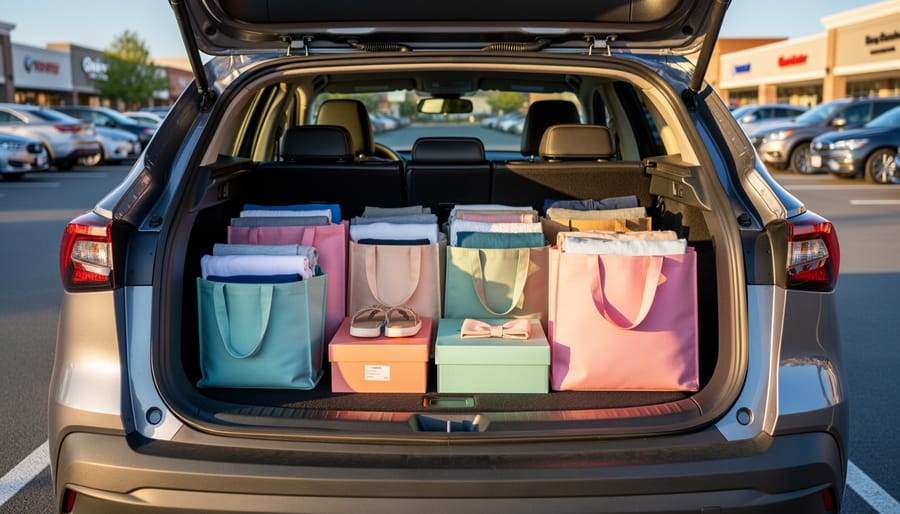
Most locations accept cash and cards, though having cash handy speeds things up during busy times. After paying, transfer everything into your reusable bags, this is where those sturdy totes really earn their keep. If you’re parked far away or bought heavy items, consider making two trips rather than overloading yourself.
Before leaving, do a quick mental inventory. Did you grab everything off the counter? It’s easy to leave behind small items in the rush. Once you’re loaded up, you’re ready to head home and start the fun part: cleaning and transforming your finds.
How to Know You’re Shopping Smart (Verification Tips)
The thrill of the hunt fades once you’re home, and that’s when smart shoppers do their homework. Calculating your actual savings requires a bit of quick math: divide the total weight of your haul by the price you paid to get your per-pound cost, then compare that against what each item would cost at a regular Goodwill or retail store. For example, if you snagged a vintage leather jacket that weighed two pounds at $1.59 per pound, you paid $3.18 for something that might retail for $200 or sell for $40 at a regular thrift store. That’s a win worth celebrating.
But not every bin find is a bargain. Before you pat yourself on the back, pull out your smartphone and check resale apps like Poshmark, eBay, or Mercari to see what similar items actually sell for. Search the brand name plus the item type, then filter by “sold” listings rather than current asks. This reality check helps you spot genuinely valuable pieces versus items that just feel special in the moment. If you’re keeping something for personal use, ask yourself honestly: would I pay full thrift store price for this?
Here’s how to evaluate your outlet success:
- Every item passes a thorough at-home inspection for damage, stains, or missing parts
- You’ll actually use or wear at least 80% of what you bought within the next month
- The total cost per item beats what you’d pay at regular thrift stores in your area
- You found at least one high-value piece that makes the whole trip worthwhile
- Nothing needs repairs that cost more than the item’s resale or replacement value
When items don’t work out, you’ve got options. Goodwill outlets don’t accept returns, but you can redirect mistakes into donations (yes, back to Goodwill), sell them on Facebook Marketplace to recoup costs, or repurpose them for craft projects. I once bought a stained cashmere sweater that seemed like a loss until I felted it and turned it into pillow covers. The key is recognizing that even experienced outlet shoppers make duds about 20% of the time. Track your wins and losses over several trips to see your real success rate, and you’ll get better at spotting true deals in those chaotic bins.
What to Do After Your Shopping Trip
Once you’ve hauled your treasures home, resist the urge to dive straight into that pile. Start by sorting everything into categories: clothing, housewares, craft supplies, and resale items. This simple step helps you see exactly what you scored and prevents duplicate purchases next time.
Every outlet item needs a thorough cleaning before use. Toss washable clothing into the machine with hot water and detergent, adding a cup of white vinegar for extra sanitizing. Hard surfaces like dishes, picture frames, and plastic toys can be wiped down with a disinfectant spray or soaked in hot, soapy water. Delicate fabrics might need hand-washing or a trip to the dry cleaner. Wood items benefit from a quick wipe with Murphy Oil Soap, while metal pieces can be cleaned with a mild all-purpose cleaner.
Set up a staging area for items waiting their turn. A designated corner or shelf keeps your finds organized until you’re ready to tackle that upcycle project or list items for resale. If you snagged yarn or fabric for crafts, browse crochet patterns or DIY tutorials while your haul is fresh in your mind.
Track your savings in a simple notebook or phone app. Jot down what you paid per pound versus retail value. Seeing those numbers add up makes the initial chaos feel absolutely worth it and helps you spot which categories give you the best return on your time.
Common Questions About Goodwill Outlet Shopping
Do Goodwill Outlets have fitting rooms?
No, outlets typically don’t have fitting rooms because of the warehouse-style setup and rapid inventory turnover. Wear form-fitting clothes that make it easy to hold items up against yourself for sizing, and learn your measurements so you can eyeball whether something will fit.
What’s the return policy at outlets?
Most Goodwill Outlets operate with an all-sales-final policy since items are sold by weight at deeply discounted prices. Always inspect items carefully before heading to checkout, and accept that the occasional dud is part of the treasure-hunt experience.
How often should I visit my local outlet?
Visit weekly if you’re hunting for specific items or want first pick of fresh inventory, but even monthly trips can yield great finds. Frequent visitors develop an eye for quality faster and learn the best rotation times, though you’ll still score deals as an occasional shopper.
Is it worth driving an hour to reach an outlet?
If you plan to fill bags with clothes or stock up on craft supplies, the per-pound savings usually justify a longer drive, especially when you combine it with other errands. Calculate your gas costs against potential savings, outlets shine when you’re buying volume rather than one or two items.
Beyond these common concerns, people often wonder whether the cleanliness issue makes outlets too gross to bother with. Honestly, it’s not a spa day, but it’s manageable if you follow basic hygiene practices. The items come straight from donation centers without the sorting and cleaning that regular stores provide, so yes, you’ll encounter dust and the occasional stain. That’s exactly why gloves and hand sanitizer aren’t optional.
Finding your nearest outlet location is easier than you might think. Search “Goodwill Outlet” or “Goodwill Bins” plus your city name, or check the Goodwill Industries website for your region and look for their outlet or “pay by the pound” store listing. Some areas call them “Blue Hanger” stores or “As-Is” locations, so try those terms if the standard search comes up empty.
If the warehouse chaos feels overwhelming, remember that online thrift shopping offers a calmer alternative when you need a break from the bins. Both approaches have their place in a budget-conscious, eco-friendly lifestyle, and many dedicated thrifters use outlets for volume buys while turning to curated sources for specific pieces.
Now that you’re armed with the strategies and know-how to navigate Goodwill Outlet shopping, it’s time to dive in and experience it yourself. Yes, your first visit might feel overwhelming, but that’s perfectly normal. Every seasoned outlet shopper started exactly where you are now, wide-eyed at the bins and unsure where to begin.
Remember, you’re not just saving money with every pound you purchase. You’re keeping perfectly good items out of landfills, reducing demand for new production, and supporting job training programs in your community. That’s a win worth celebrating.
The real magic happens after a few trips when you develop your own rhythm and start spotting treasures that others overlook. Those bins hold endless possibilities for creative projects, wardrobe refreshes, and home transformations. Your next favorite piece is waiting in there somewhere, ready for you to discover it and give it new life.